Delhi Pollution May Increase Dementia Risk, Warns Neurologists as Air Quality Turns ‘Severe’
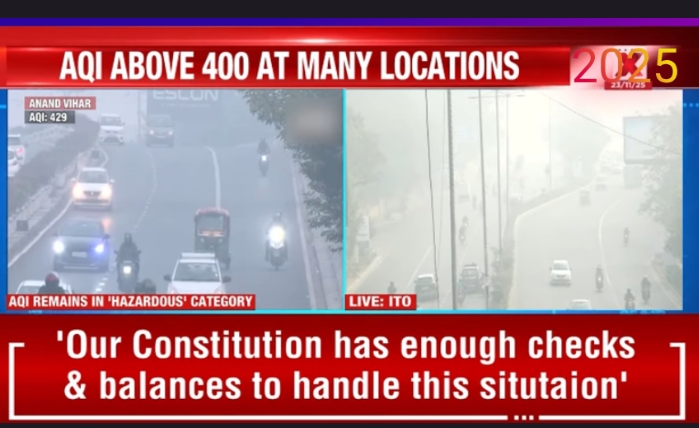
Delhi-NCR Air Quality Update: Pollution levels in Delhi-NCR have dipped into the severe category, with multiple monitoring stations crossing the AQI 400 mark on Sunday. As smog continues to blanket the region after Diwali, experts warn that the health effects may extend beyond lung and heart problems—long-term exposure may also increase the risk of dementia.
Severe Air Pollution Grips Delhi-NCR
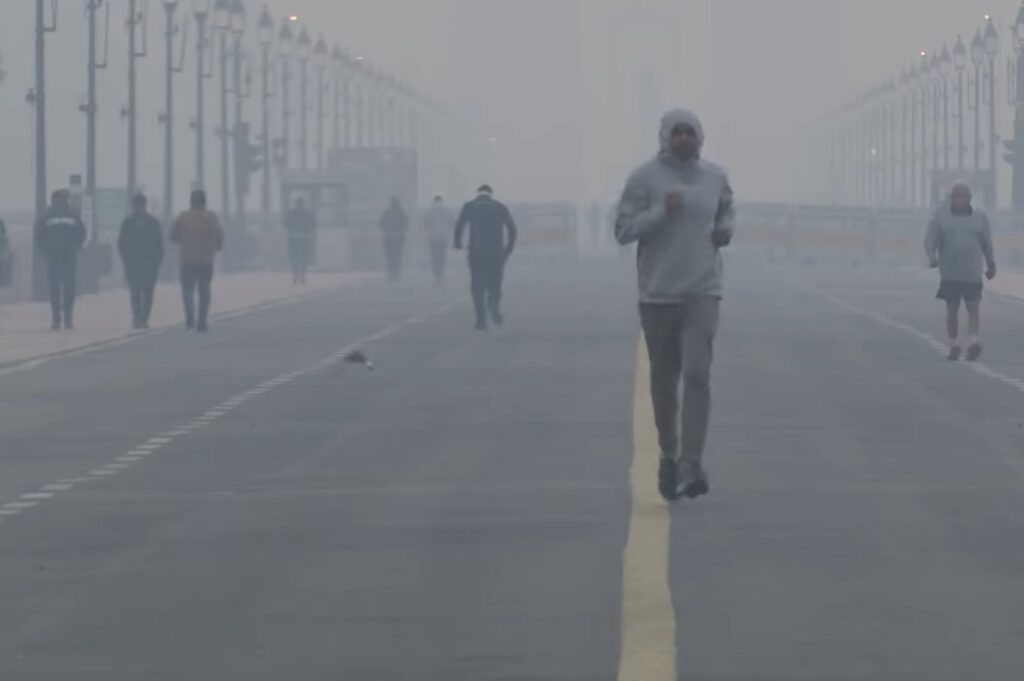
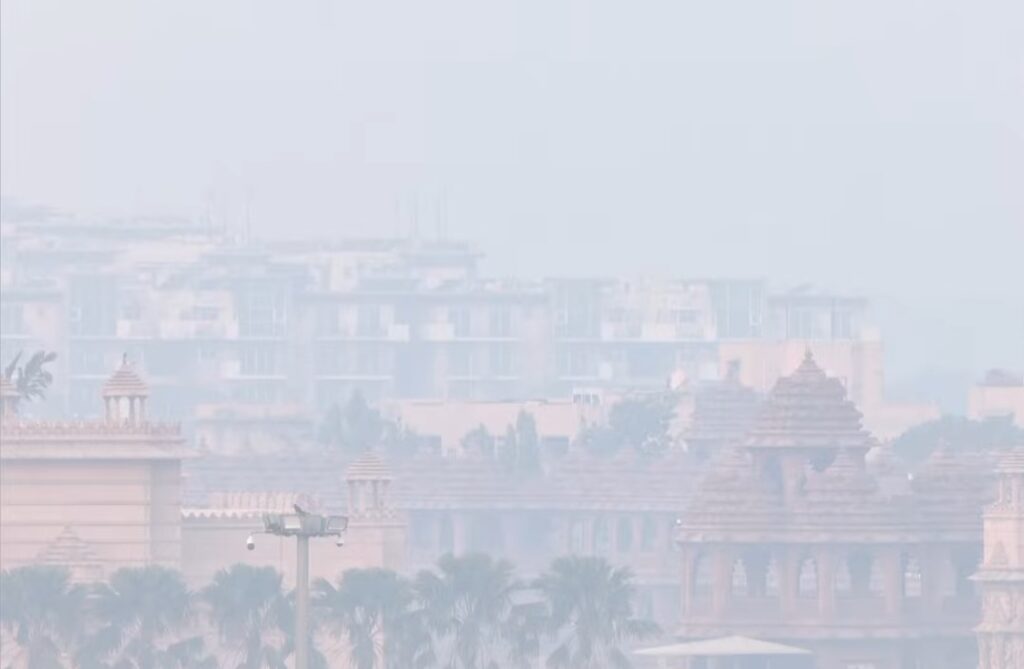
A thick layer of smog covered Delhi-NCR on Sunday morning, reducing visibility and trapping harmful pollutants close to the ground. Temperatures have dropped steadily, allowing smog to linger for days. Residents across the region woke up to hazy skies, poor air quality, and worsening pollution levels.
Health authorities and experts are urging people to:
- Stay indoors as much as possible
- Avoid outdoor exercise and sports
- Wear high-filtration masks when stepping outside
Even the Supreme Court has expressed concern over the alarming decline in air quality and its impact on public health.
Doctors Warn of Rising Health Risks Beyond Breathing Problems
While poor air quality is typically associated with:
- Burning eyes
- Breathlessness
- Asthma
- Chronic lung diseases
Neurologists now warn that prolonged exposure to polluted air may also increase the risk of dementia.
Air Pollution and Dementia: What Experts Say
Neurologist Dr. Joy Dev Mukherji told ANI that studies have found a clear statistical link between air pollution and dementia.
Key points he highlighted:
- The exact biological mechanism is still under study.
- Pollution may trigger inflammation in the brain, gradually damaging nerve cells.
- Areas with higher levels of particulate matter (PM2.5 and PM10) report more dementia cases.
- Pollutants can enter the bloodstream, potentially affecting brain function over time.
Although air pollution is not officially listed as a risk factor for stroke, Dr. Mukherji emphasized that its association with dementia is becoming harder to ignore.
Simple Precautions to Lower Health Risks
Doctors recommend adopting certain lifestyle habits to reduce the overall health burden linked to pollution:
- Keep weight, cholesterol, blood pressure, and diabetes under control
- Exercise for 20–30 minutes daily (indoors on polluted days)
- Avoid smoking
- Limit alcohol consumption
These measures, experts say, significantly reduce the risk of major chronic illnesses.
Myths About Yoga and Stroke Prevention
Dr. Mukherji also addressed a common misconception: Yoga alone cannot prevent a stroke.
Important clarifications:
- Yoga is beneficial but cannot replace prescribed medication.
- It does not lower cholesterol or blood pressure on its own.
- People with diabetes, hypertension, or heart disease must continue medical treatment.
India’s High Stroke Burden
India continues to face one of the largest stroke burdens globally.
According to the Global Burden of Diseases Report 2021:
- India records around 18 lakh stroke cases annually
- Nearly 7 lakh people die due to stroke every year
- Stroke remains one of the leading causes of death in the country
With air pollution worsening each winter, experts fear long-term neurological impacts may escalate.
Precautions During Severe Pollution
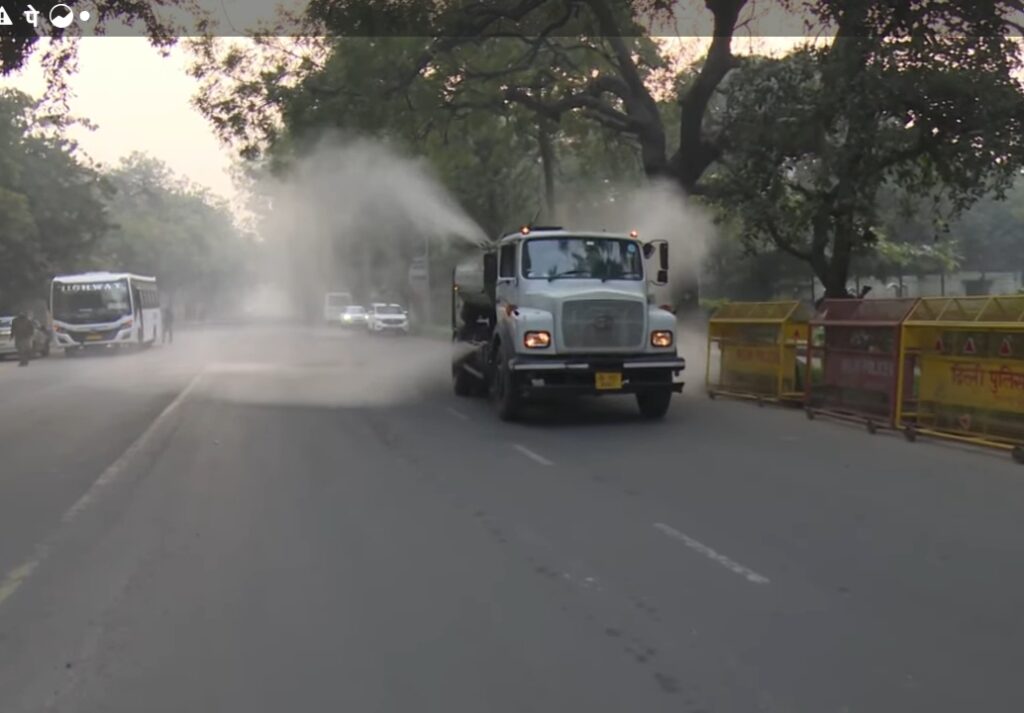
Doctors advise following these essential measures until air quality improves:
- Stay indoors during peak pollution hours (early morning and late evening)
- Use N95/N99 masks outdoors
- Keep windows closed during high AQI periods
- Use indoor air purifiers, if possible
- Stay hydrated and monitor chronic health conditions
MAIN TAKEAWAY FROM IT
As Delhi enters yet another season of severe pollution, concerns are rising about not just respiratory illnesses but also potential long-term neurological damage, including dementia. With winter only beginning, experts warn of several more weeks of hazardous air and urge citizens to take necessary precautions to protect their health.