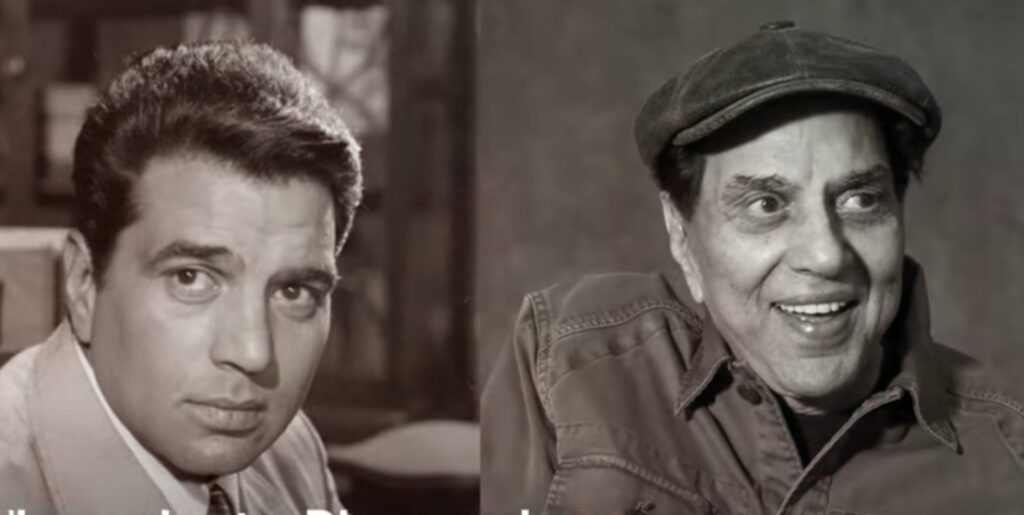
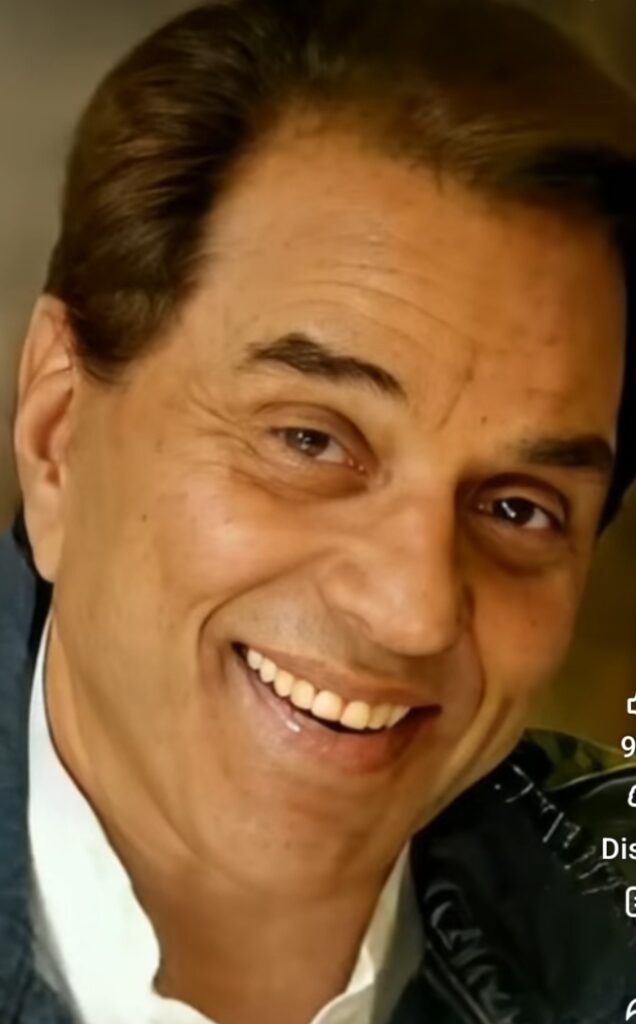
Dharmendra, Bollywood’s Beloved He-Man, Dies at 89: A Legendary Era Ends
Bollywood has lost one of its brightest and most cherished stars. Dharmendra, fondly known as the He-Man of Indian Cinema, passed away at the age of 89 at his Mumbai residence on Monday, November 24. According to initial reports, including those by news agency IANS, the veteran actor had been battling respiratory complications and was admitted to Breach Candy Hospital earlier this month. His demise marks the end of an era—one defined by unmatched charisma, raw masculinity, and a warmth that endeared him to millions.
For more than sixty years, Dharmendra illuminated the big screen with his versatility, shifting effortlessly between intense action roles, soul-stirring emotional performances, and iconic comedic characters. His final film appearance will be in Ikkis, set for release on December 25, offering fans one last glimpse of the man whose presence defined generations of cinema lovers.
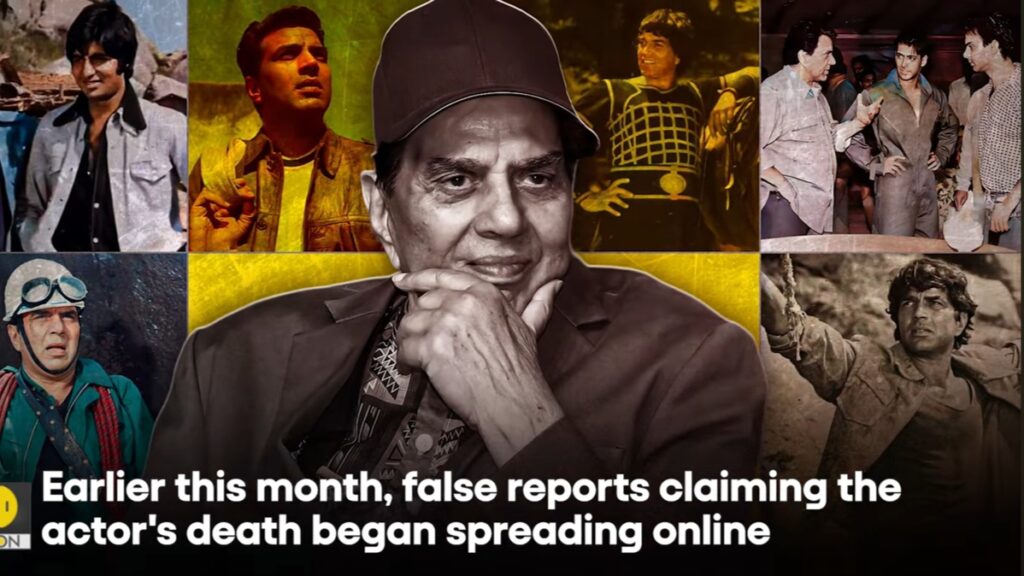
A Family That Shaped Bollywood’s Legacy
Dharmendra leaves behind a large and influential family—wives Prakash Kaur and Hema Malini, and his six children: Sunny Deol, Bobby Deol, Esha Deol, Ahana Deol, Ajeeta, and Vijeta. His sons, Sunny and Bobby, rose to become action stars in their own right, while Esha and Ahana made their own mark in Hindi cinema. The Deol legacy, built on his shoulders, continues to influence modern Bollywood.
Born Dharmendra Kewal Krishan Deol on December 8 in a small village in Ludhiana, Punjab, he lived through hardship and humble beginnings. He married Prakash Kaur at just 19, long before he entered the world of films. Later, his love story with Hema Malini became one of Bollywood’s most-discussed relationships, eventually leading to marriage and two daughters.
A Journey from Punjab to Cinematic Immortality
Dharmendra’s Bollywood journey began in 1960 with Dil Bhi Tera Hum Bhi Tere. What followed was a career very few actors in the world can match. He became a symbol of strength, integrity, and desi charm—qualities that earned him the title of He-Man.
He was not just an action hero. He was a romantic icon, a comedic genius, and a performer who breathed life into every role he touched. Whether he was playing a lovestruck young man, a fearless rebel, or a village hero, he brought sincerity that instantly connected with audiences.
In 2012, the Government of India honoured him with the Padma Bhushan, the nation’s third-highest civilian award—an acknowledgment of his immense contribution to Indian cinema.
—
A Filmography That Defines Indian Cinema
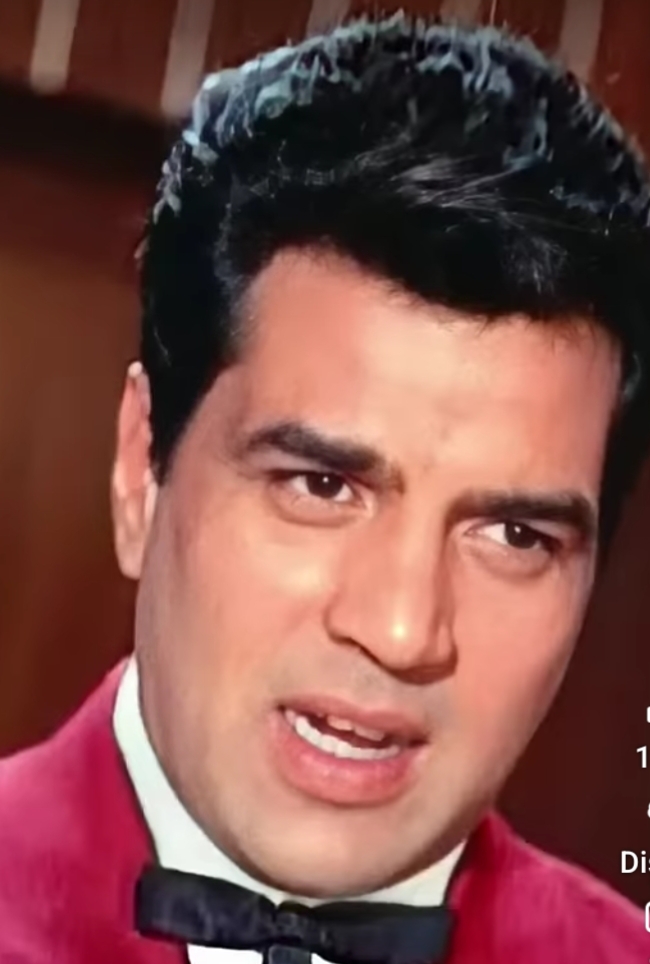
Dharmendra’s list of hits is nothing short of extraordinary. He starred in some of Bollywood’s most iconic films:
Sholay – where his chemistry with Amitabh Bachchan as Jai-Veeru remains cinema’s gold standard.
Yaadon Ki Baarat
Mera Gaon Mera Desh
Pratiggya
Chupke Chupke – a comedic masterpiece with Hrishikesh Mukherjee.
Phool Aur Patthar
Satyakam – often hailed as one of his finest performances.
Ankhen, Jugnu, Ayee Milan Ki Bela, Dil Ne Phir Yaad Kiya, Charas, Azaad, Loha, Hukumat, and so many more.
His production house also gave Indian cinema the iconic Ghayal, starring Sunny Deol, which won the National Award for Best Popular Film Providing Wholesome Entertainment.
Dharmendra himself won multiple Filmfare Awards, including Best Actor trophies for Phool Aur Patthar, Mera Gaon Mera Desh, Yaadon Ki Baaraat, and Resham KiImmort
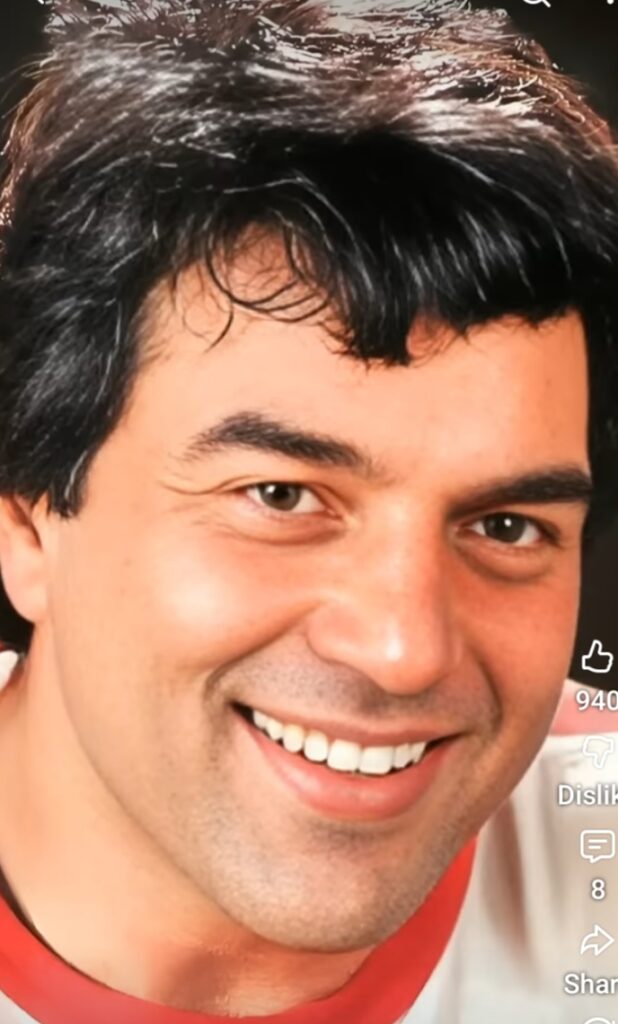
A Charming Presence—On and Off Screen
Even as he entered his late 80s, Dharmendra remained remarkably active on social media. His Instagram posts, often filmed on his farm, reflected his deep love for nature. Fans adored his videos where he shared simple lessons, healthy lifestyle tips, and farming advice—always delivered with warmth and humility.
He had recently appeared in the 2024 romantic comedy Teri Baaton Mein Aisa Uljha Jiya, starring Shahid Kapoor and Kriti Sanon. His cameo was widely appreciated and reminded audiences of the magnetic charm he carried effortlessly until the very end.
—
The End of an Era
Dharmendra’s passing leaves a void that Indian cinema can never truly fill. He was not just a star—he was a phenomenon. His films shaped childhoods, his dialogues became folklore, and